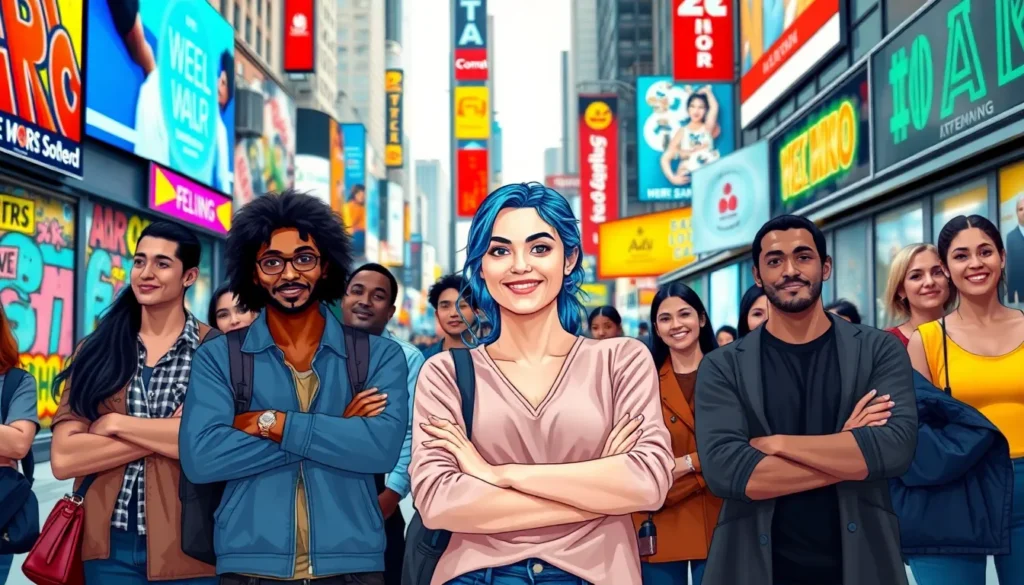
Visual culture surrounds us like a cozy blanket, weaving its way into every aspect of daily life. From the memes that make them chuckle to the art that makes them ponder, it shapes how they perceive the world. But what exactly is visual culture? It’s more than just pretty pictures; it’s a vibrant tapestry of images, symbols, and ideas that influence thoughts and behaviors.
In today’s fast-paced society, understanding visual culture is crucial. It’s not just for artists or designers; everyone interacts with it. So why not dive into this colorful realm? Unpacking its layers reveals insights that can spark creativity and enhance communication. Whether they’re scrolling through social media or admiring a masterpiece, they’re part of a dynamic conversation that transcends words. Join the exploration and discover how visual culture can transform perspectives and inspire new ways of thinking.
Overview of Visual Culture
Visual culture encompasses the myriad ways in which visual imagery shapes human behavior and societal norms. It includes everything from advertisements and films to street art and social media posts, influencing perceptions at various levels. This cultural phenomenon is crucial in understanding modern communication, as images often convey messages more powerfully than words.
Visual culture manifests in everyday experiences, forming a shared landscape that individuals navigate. Images and symbols embedded in this culture create connections among diverse groups, fostering a sense of belonging or identity. They not only reflect cultural values but also challenge norms, prompting discussions on critical social issues.
In today’s technology-driven world, the prevalence of visual content increases. Screens dominate public spaces, and social media platforms prioritize visuals, further underlining the importance of understanding this realm. Academics and practitioners alike study visual culture to decipher how imagery affects thought and behavior.
Navigating visual culture requires awareness of the underlying messages and their implications. Each image carries significances shaped by context, audience, and purpose. By examining these elements, individuals can enhance their visual literacy and critical thinking skills.
Visual culture serves as a dynamic medium for expression and communication, impacting every aspect of society. Recognizing its influence encourages deeper engagement with visual media, fostering innovation and creative thinking. In a world where becoming attuned to visual nuances offers meaningful insights, understanding visual culture stands as an essential pursuit.
Historical Background
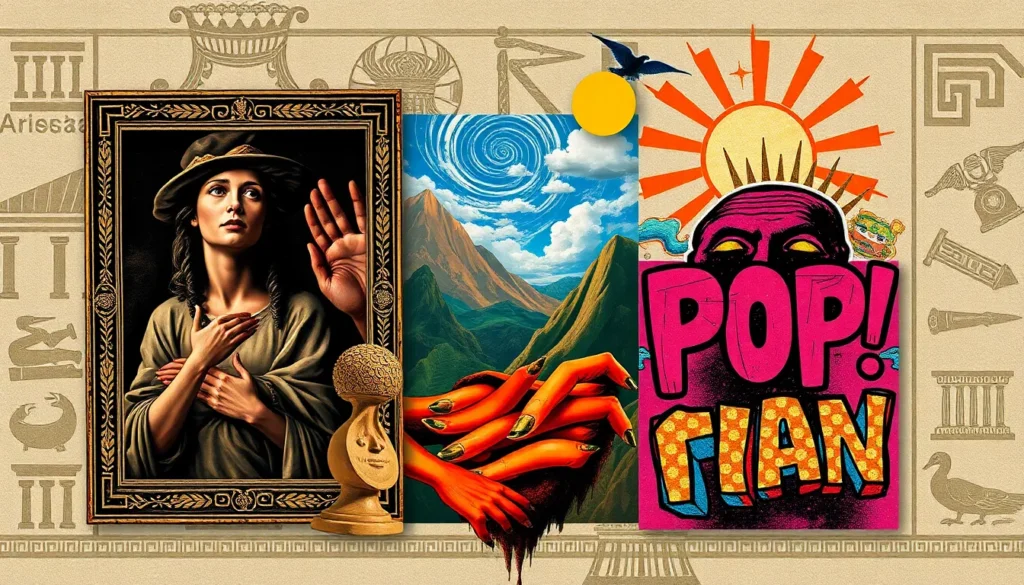
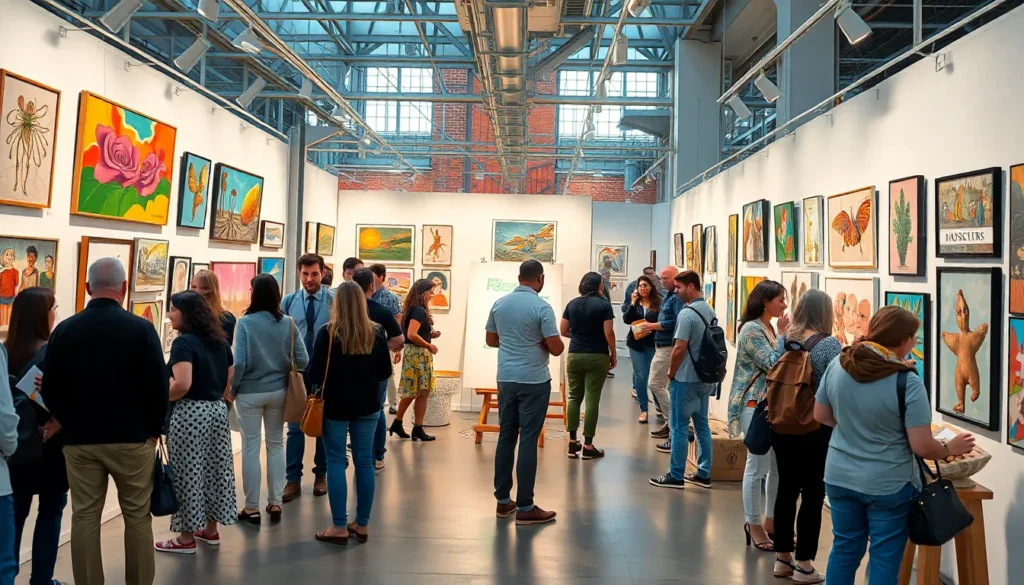
Visual culture has a rich history that shapes contemporary understanding of imagery and its impact. Tracing its roots reveals significant transformations in how societies interpret visual representation.
The Evolution of Visual Representation
The evolution of visual representation stems from ancient art and architecture. Early societies, such as Egyptians and Greeks, utilized symbols to express complex ideas. With the Renaissance, realism emerged, revolutionizing perspectives on human form and nature. The invention of photography in the 19th century introduced new ways to document reality. This shift made images accessible to a broader audience. In the 20th century, movements like modernism and postmodernism challenged traditional notions of art, incorporating everyday life into visual discourse. Digital technology further reshaped representation, enabling instant creation and circulation of images, reinforcing the necessity of critical engagement with visual media.
Key Movements in Visual Culture
Many key movements have influenced visual culture over centuries. Baroque art emphasized drama and emotion, affecting perceptions of beauty and power. The Surrealist movement merged dream-like imagery with reality, prompting new modes of expression. Pop art responded to consumer culture, highlighting the intersection of fine art and mass media. In contrast, the feminist art movement addressed representation and gender issues in visual dialogues. Recent developments in digital art reflect ongoing social changes and technological advancements. These movements collectively illustrate the dynamic nature of visual culture, demonstrating how art both shapes and reflects societal values. Understanding these movements enhances awareness of visual culture’s role in contemporary conversations.
The Components of Visual Culture
Visual culture comprises various elements that shape perceptions and interactions in the modern world.
Art and Aesthetics
Art and aesthetics play pivotal roles in visual culture. They encompass diverse forms of expression, including painting, sculpture, and digital art. Each medium communicates specific emotions and ideas, contributing to the overall cultural landscape. Historical movements such as Impressionism and Surrealism demonstrate how visual art influences and reflects societal values. Contemporary artists continue to challenge norms, prompting discussions on beauty, identity, and culture. This ongoing dialogue enriches understanding and appreciation of the visual arts.
Media and Technology
Media and technology significantly impact visual culture dynamics. Digital platforms, including social media and streaming services, prioritize visual content over text. They enable rapid sharing and consumption of images, altering how audiences engage with visual material. Innovations in technology, such as virtual reality and augmented reality, expand possibilities for experiencing art and design. These advancements encourage new forms of storytelling and visual interaction, making understanding their implications essential. With visuals dominating daily life, awareness of media effects on society grows increasingly important.
Everyday Visual Practices
Everyday visual practices shape how individuals interact with their environments. Daily experiences often involve visual elements, from advertisements encountered in public spaces to imagery shared by friends online. These practices include personal photography and graphic design choices that communicate individual identities. The influence of visual culture also extends to fashion, architecture, and urban design, reflecting personal and collective values. By engaging with everyday visuals, individuals cultivate critical thinking and awareness of the messages conveyed through imagery. Understanding these practices enhances visual literacy, fostering deeper connections with the surrounding world.
The Impact of Visual Culture
Visual culture significantly influences society, shaping individual and collective identities. The way people express themselves through images interconnects personal experiences and broader cultural narratives. Artistic movements, such as Surrealism or Pop art, exemplify how visual representations challenge established norms. Cultural identity often emerges through visual elements, reflecting social values and shared history. Representation in media affects how different groups perceive themselves and how others view them.
On Society and Identity
Society thrives on visual culture’s ability to convey identity. Photographs, advertisements, and street art capture cultural essence while influencing public perceptions. People often resonate with imagery that reflects their own stories and experiences. Representation in visual culture molds understanding among diverse populations, fostering inclusion or sparking debates. Symbolism in visual formats frequently evokes emotions tied to identity, nationality, and heritage. Transformative artworks can challenge stereotypes and celebrate diversity, prompting societal change.
On Communication and Language
Visual culture revolutionizes communication by transcending linguistic barriers. Images convey complex messages quickly and efficiently, making them a universal tool. Social media platforms prioritize visuals, illustrating ideas in captivating ways. Emojis and memes exemplify how visuals supplement written language, enhancing expression. Visual storytelling enriches brand messages, forging strong connections with audiences. Effective communication increasingly relies on the clarity and impact of visual content in today’s fast-paced world.
Visual culture plays a pivotal role in shaping perceptions and behaviors in today’s society. By understanding its nuances individuals can navigate the complexities of visual media more effectively. This awareness not only enhances creativity and communication but also fosters critical thinking skills that are essential in a visually dominated world.
Engaging with visual culture allows for deeper connections with diverse perspectives and ideas. As individuals explore this vibrant realm they contribute to ongoing conversations that challenge norms and inspire innovation. The journey into visual culture is not just for artists or designers; it’s a collective endeavor that enriches everyone’s experience in an increasingly visual society.