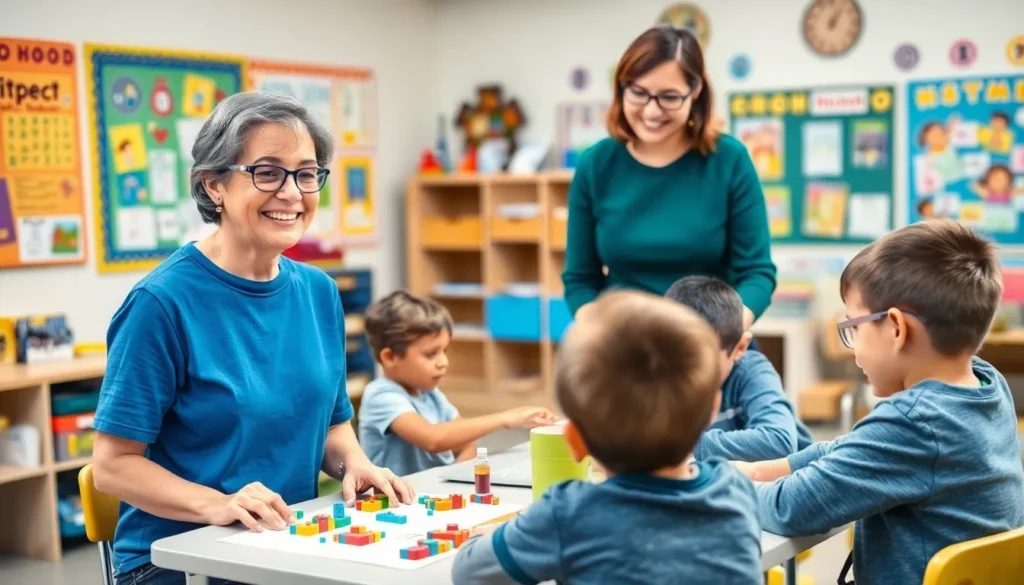
Navigating the world of special needs education can feel like trying to assemble furniture from a Swedish store without the instructions. It’s complex, sometimes confusing, but ultimately rewarding when everything clicks into place. Every child deserves an education tailored to their unique strengths and challenges, and special needs education is all about making that happen.
Overview of Special Needs Education
Special needs education addresses the unique learning requirements of children with disabilities. It encompasses various approaches tailored to meet individual capabilities, fostering a supportive learning environment. Programs focus on enhancing communication skills, social interactions, and academic achievement.
Types of disabilities recognized in special needs education include learning disabilities, autism spectrum disorders, emotional disturbance, and physical impairments. Each category presents distinct challenges but also unique strengths, guiding tailored education plans. Individualized Education Programs (IEPs) serve as crucial tools, outlining specific goals, services, and accommodations for each student.
Teachers in special needs education require specialized training. Their expertise allows them to implement effective teaching strategies and adapt curriculum materials accordingly. Collaboration among educators, therapists, and families strengthens the support network for students.
Inclusion plays a significant role in special needs education. Integrating students into general education settings promotes social interaction and understanding among peers. Research indicates that inclusive classrooms benefit both students with special needs and their typically developing classmates.
Access to resources reflects the commitment to special needs education. Schools often provide assistive technologies, specialized instructional materials, and additional support staff to address diverse needs. Community resources further enhance educational opportunities, ensuring children receive necessary support beyond the classroom.
Data shows that early intervention significantly impacts educational outcomes. Identifying and addressing challenges at an early age leads to improved academic performance and life skills. Engaging families in the educational process also enhances the success of students in special needs education.
Importance of Special Needs Education
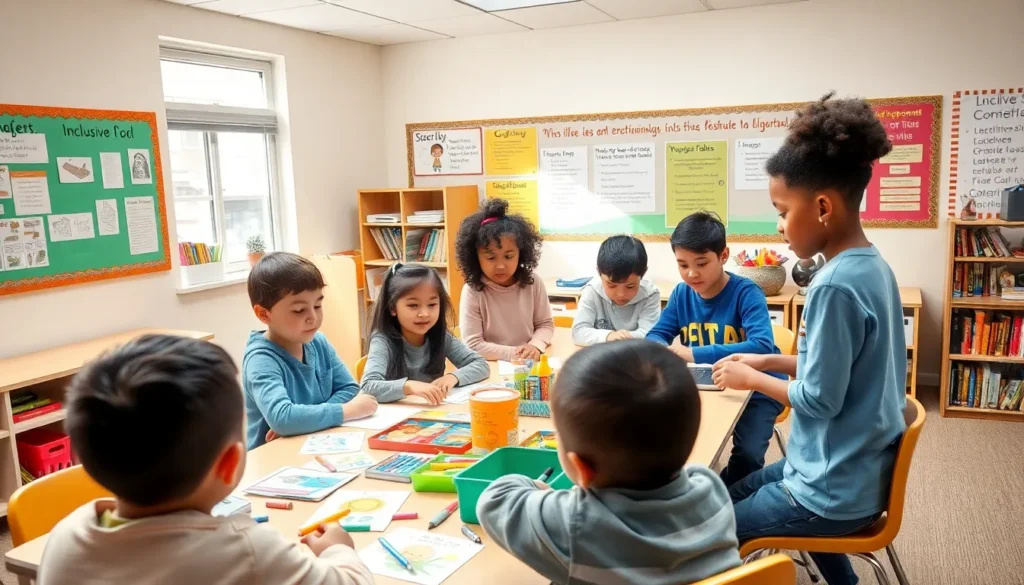
Special needs education plays a critical role in fostering an inclusive environment. It supports children with diverse challenges and strengths, emphasizing their individuality and potential.
Promoting Inclusivity
Promoting inclusivity transforms educational settings. Educators create classrooms where all students feel welcome and valued. Diverse learning environments enhance social interactions among peers. Research shows that inclusive practices lead to increased understanding and empathy among typically developing students. When schools embrace every child’s uniqueness, the entire community benefits. Building understanding fosters a sense of belonging for everyone involved.
Enhancing Learning Opportunities
Enhancing learning opportunities empowers students with special needs. Tailored teaching methods address specific learning challenges, improving engagement and retention. Different strategies, such as differentiated instruction and sensory-based activities, cater to varied requirements. Access to specialized resources, like assistive technologies and visual aids, maximizes learning potential. Studies indicate that providing these opportunities positively influences academic success and personal growth. By focusing on individual strengths, special needs education promotes lifelong learning and independence.
Types of Special Needs
Different types of special needs exist, each requiring tailored educational approaches. Understanding these categories aids in developing effective support strategies.
Learning Disabilities
Learning disabilities impact how children process information. This category includes dyslexia, dyscalculia, and ADHD. Interaction with peers can sometimes be challenging for these students. Teachers implement specific instructional methods to help them grasp concepts with greater ease. Individualized Education Plans (IEPs) play a crucial role in addressing their unique needs. Curricula are adjusted to foster strengths and minimize weaknesses. Educators focus on creating an engaging, supportive environment that encourages participation and progress.
Emotional and Behavioral Disorders
Emotional and behavioral disorders affect children’s ability to regulate emotions and behaviors. Conditions such as anxiety, depression, and oppositional defiant disorder fall into this category. Often, these students exhibit difficulties in social interactions and maintaining focus. Adaptations in classroom management techniques support their learning experiences. Strategies might include positive reinforcement and structured routines to help them thrive. Close collaboration with mental health professionals enhances educational outcomes for these children. Tailored support ensures that their emotional and social needs are met effectively.
Strategies for Effective Teaching
Effective teaching strategies in special needs education focus on individualized approaches that cater to each child’s unique requirements.
Individualized Education Plans (IEPs)
IEPs serve as essential frameworks for students with special needs. These plans outline specific goals tailored to each child’s strengths and challenges. Regular assessments modify objectives based on ongoing progress, ensuring that the educational experience remains relevant. Collaboration among parents, teachers, and specialists leads to well-rounded IEPs that address all aspects of a child’s development. Essential elements of an IEP include measurable goals, appropriate accommodations, and relevant services, such as speech therapy or behavioral support.
Collaborative Teaching Approaches
Collaborative teaching approaches enhance the educational experience for students with special needs. Co-teaching models allow general education and special education teachers to work together in the same classroom. This partnership brings diverse expertise, making instruction more effective. Techniques like team teaching ensure that all students receive personalized instruction and support. Sharing responsibilities fosters a nurturing environment where teachers address various learning styles and needs. By leveraging collaboration, educators can create a more inclusive and supportive classroom atmosphere for every student.
Challenges in Special Needs Education
Challenges in special needs education can significantly impact the learning experience for students. Various factors contribute to these difficulties.
Lack of Resources
Limited resources often hinder effective special needs education. Schools may face budget constraints, resulting in insufficient access to assistive technologies or specialized instructional materials. Many educators struggle to implement individualized education plans (IEPs) without adequate support. Resource limitations can lead to larger class sizes, making it difficult to provide personalized attention. Additionally, training opportunities for teachers may not be readily available, restricting their ability to adopt best practices. Inadequate funding also affects collaboration with specialists, impacting the overall quality of education provided to students with special needs.
Stigmatization and Misunderstanding
Stigmatization and misunderstanding of special needs create barriers to inclusion. Many individuals view disabilities through a narrow lens, leading to misconceptions regarding the capabilities of affected students. This misunderstanding can result in social isolation and exclusion from typical classroom activities. Peers may struggle to interact with students who have special needs, impacting their social development. Educators play a crucial role in combating these negative perceptions through awareness programs, promoting understanding among students. Raising awareness fosters empathy and acceptance, creating a more inclusive environment for all learners. Addressing stigmatization remains vital to ensuring that students feel valued and integrated within their educational settings.
Special needs education serves as a vital framework that recognizes and addresses the diverse learning requirements of children with disabilities. By fostering an inclusive environment that values each child’s strengths, educators can significantly enhance academic and social outcomes.
The collaboration among teachers, families, and specialists is essential in creating effective Individualized Education Plans that cater to unique needs. Furthermore, the integration of assistive technologies and tailored teaching strategies empowers students, promoting independence and lifelong learning.
Ultimately, the commitment to understanding and supporting students with special needs not only enriches their educational experiences but also cultivates empathy and acceptance within the broader school community.