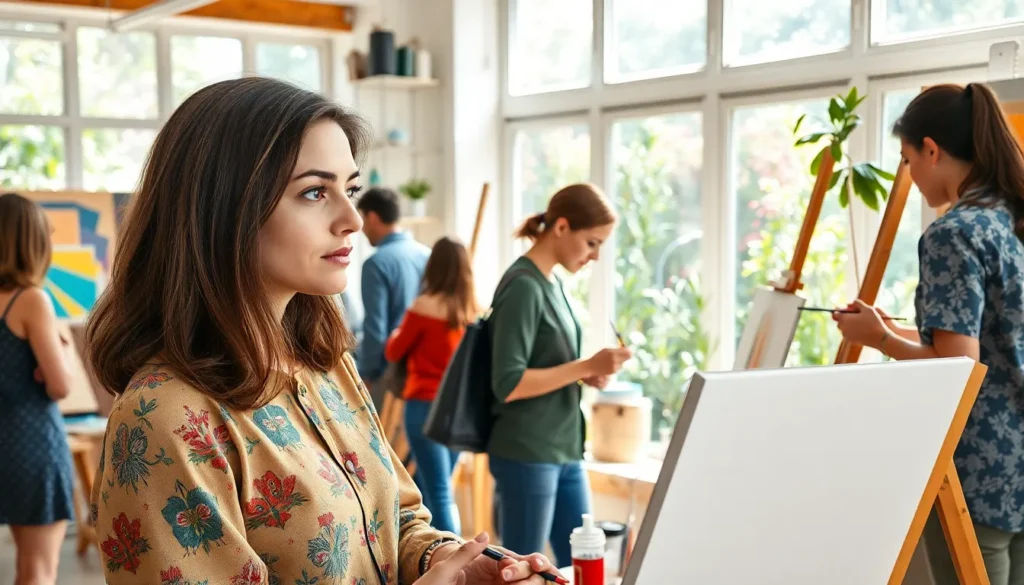
Art residency programs are like summer camp for creatives—minus the awkward cabin assignments and questionable s’mores. They offer artists a golden opportunity to escape the daily grind and dive headfirst into their passion. Imagine a space where inspiration flows as freely as coffee and deadlines fade into the background.
Overview of Art Residency Programs
Art residency programs offer artists a unique chance to focus on their work in a supportive environment. Many programs provide artists with dedicated studio space and access to resources that bolster creativity. Artists often experience a community of peers, which encourages collaboration and exchange of ideas.
Programs vary widely in terms of duration, structure, and benefits. Some residencies last a few weeks, while others can extend for several months or even a year. Participants often receive stipends, scholarships, or grants to help cover living expenses, making participation more accessible.
Locations play a significant role in the experience. Some residencies are situated in urban centers, offering cultural experiences and networking opportunities. Others are nestled in rural settings, providing tranquility and inspiration from nature.
Application processes also differ among programs. Most require documentation of past work, artist statements, and sometimes proposals outlining future projects. Each program assesses applicants based on artistic merit, potential, and fit with their specific goals.
Outcomes of residencies can positively impact artistic careers. Many artists develop portfolios, gain exposure through exhibitions, and network with industry professionals. Participants often leave residencies with renewed focus, new skills, and lasting connections that enhance their careers.
Whether emerging or established, artists benefit from engaging in art residency programs. Each experience enriches their artistic journey, pushing boundaries and fostering innovation.
Types of Art Residency Programs
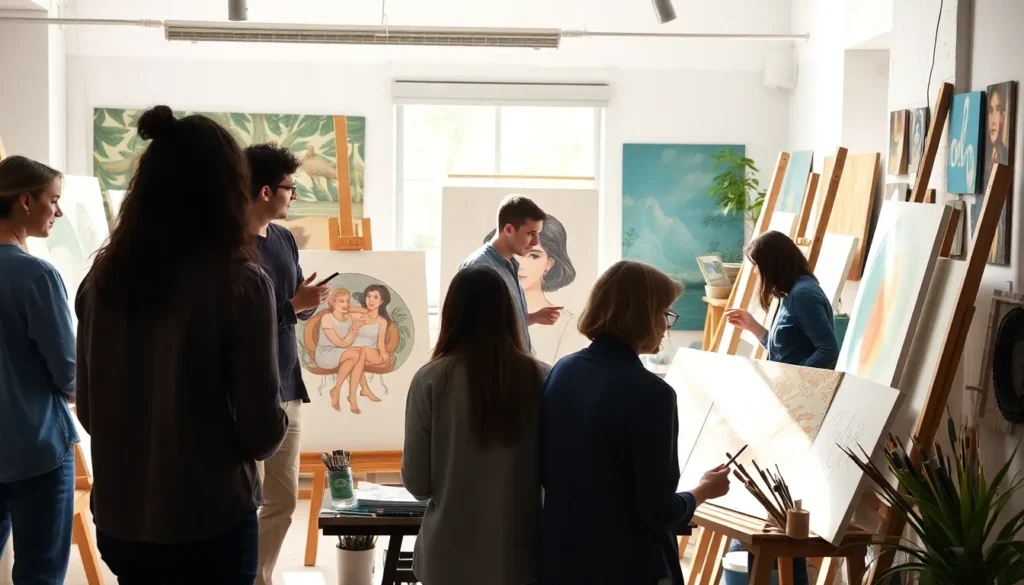
Art residency programs come in various formats, tailored to different artistic needs and goals. Key types include short-term and long-term residencies, each providing unique experiences for participating artists.
Short-Term Residencies
Short-term residencies typically last from a few days to several weeks. During this time, artists immerse themselves in creativity without daily distractions. Many programs focus on intensive work sessions, allowing for the rapid development of ideas and projects. Collaborative opportunities arise, as artists engage with peers, sharing feedback and inspiration. Some offerings even conclude with exhibitions, providing immediate visibility for the work created. Support often includes access to studio space and materials, enhancing productivity over a brief period.
Long-Term Residencies
Long-term residencies span several months to a year, offering deeper immersion in the artistic process. Artists benefit from sustained support and resources, which facilitate extensive project development. Programs often foster a close-knit community, encouraging meaningful relationships among participants. Artists enhance their practices through mentorship and feedback from established figures. While there’s flexibility in project timelines, structured programming and workshops help refine skills and techniques. Completion of a long-term residency often culminates in a significant exhibition, showcasing the evolution of the artist’s work.
Benefits of Participating in Art Residency Programs
Art residency programs offer a range of benefits that support artists in their creative endeavors. These benefits include opportunities for personal growth, professional development, and community engagement.
Creative Development
Creative development thrives in art residency programs. Participants gain dedicated studio space, enhancing productivity and focus. Artists can explore new techniques, experiment with different mediums, and refine their practice without distractions. Resources provided often include workshops, which introduce new concepts and skills. The immersive environment fosters innovation, allowing artists to push boundaries and explore unique ideas. Collaboration with fellow artists further enriches the creative process, inspiring fresh perspectives and approaches to their work.
Networking Opportunities
Networking opportunities abound in art residency programs. Artists interact with diverse professionals, including curators, gallery owners, and fellow creatives. These connections can lead to exhibition opportunities, collaborations, and increased visibility within the art community. Program events, such as open studios or artist talks, facilitate meaningful conversations and relationships. Exposure to a broader audience helps artists gain valuable feedback and insights. Establishing a network during a residency often proves beneficial, opening doors for future projects and collaborations that support an artist’s career trajectory.
How to Choose the Right Art Residency Program
Finding the right art residency program requires careful consideration of various factors. Artists should prioritize their goals and preferences to identify suitable options.
Researching Programs
Start by exploring different art residency programs online or through artist networks. Identify specific goals, such as the type of support needed, artistic focus, and duration of the residency. Evaluate the location, as urban centers often provide cultural resources while rural settings offer peace and inspiration. Examine past resident artists’ experiences to gauge how the program nurtures creativity and collaboration. Look for reviews and testimonials that highlight strengths and weaknesses of each program. Consider the resources available, such as studio space, materials, and funding, which can greatly impact an artist’s experience.
Application Process
Review each program’s application requirements carefully. Prepare a portfolio showcasing past work and relevant projects, ensuring it aligns with the program’s mission. Art residencies often require project proposals, so clearly articulate the intended focus and outcomes. Pay attention to submission deadlines, as they can vary significantly between programs. Some require letters of recommendation, so asking for these well in advance is advisable. After submitting the application, monitor for updates or communication from the program. Persistence and patience are key, as the selection process may take time.
Challenges Faced by Artists in Residencies
Artists in residencies often encounter various challenges that can impact their experience and productivity. Funding limitations frequently pose significant obstacles, as some programs may not provide adequate financial support, making it difficult for artists to focus solely on their work. Lack of financial resources can lead to stress, countering the intended benefits of the residency.
Isolation can also become a hurdle. While many residencies strive to create a community, some artists may find themselves feeling disconnected from peers, especially in more remote locations. The absence of collaboration can stifle creativity, hindering artistic growth.
Time management issues arise frequently in these settings. Artists might feel pressures to produce work within a set timeframe, which can detract from the experimental nature of their projects. Balancing expectations with artistic exploration becomes vital for a fulfilling residency experience.
Cultural differences may present additional challenges. Artists from diverse backgrounds often bring unique perspectives, but varying communication styles and practices can lead to misunderstandings. Navigating these differences requires sensitivity to foster a supportive environment.
Access to resources varies across programs. Some residencies provide ample tools and materials, while others offer limited supplies. This disparity can affect the quality and variety of work produced during the residency.
Adapting to different environments remains essential. Moving from familiar settings to new locations may challenge an artist’s comfort and inspiration. Embracing these changes can lead to growth, despite initial discomfort.
Artists must also contend with external expectations. Pressure from external stakeholders, such as galleries and audiences, can complicate the residency experience. Balancing personal artistic goals with these expectations can help mitigate this challenge and promote personal satisfaction.
Art residency programs offer invaluable experiences for artists seeking to enhance their creative practice. These programs create supportive environments that encourage exploration and collaboration among peers. By participating, artists not only gain access to dedicated resources but also build lasting connections that can propel their careers forward.
Choosing the right residency is essential and requires careful consideration of personal goals and program offerings. While challenges may arise, the potential for growth and inspiration makes these opportunities worth pursuing. Ultimately, art residencies can significantly shape an artist’s journey, fostering both personal and professional development in a dynamic setting.