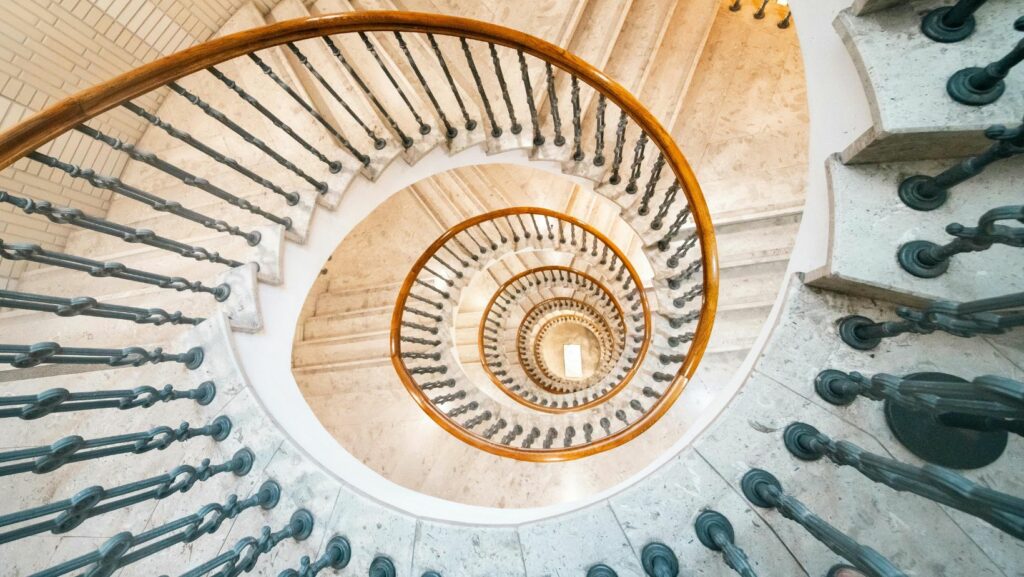
When homeowners, architects, or contractors begin the search for a spiral staircase supplier, aesthetics and material quality are usually top of mind. But there’s one critical factor that often gets overlooked until it becomes a problem: code compliance. Whether you’re designing a statement staircase for a luxury home or a compact access stair for a loft or rooftop deck, every spiral staircase must meet strict safety and structural standards.
This is where choosing the right spiral staircase supplier can make or break your project.
Why Code Compliance Matters (And Gets Complicated)
Unlike straight staircases, spiral stairs are subject to specialized building codes because of their shape, footprint, and usage. While they offer a beautiful and space-saving solution, their design must balance form and function within tight parameters.
Spiral staircases are governed by:
- The International Residential Code (IRC) for single-family homes
- The International Building Code (IBC) for multi-unit and commercial buildings
- Local city and state amendments, which vary by region
A knowledgeable spiral staircase supplier understands these layers of regulation and designs their staircases accordingly—saving clients from costly redesigns, failed inspections, or worse, legal liabilities.
Common Code Challenges in Spiral Stair Design
1. Tread Depth and Riser Height
Code dictates a minimum tread depth (often 7.5″ at 12” from the narrow end) and a maximum riser height (usually 9.5″). This makes precise fabrication crucial—especially in tight-space installs where every inch counts.
2. Diameter and Headroom
Most spiral staircases need to be at least 5 feet in diameter to meet residential code. Headroom must also meet minimum requirements (typically 6’6″), which can be tricky in lofts, attics, or rooftop applications.
3. Baluster Spacing and Rail Height
To prevent falls, balusters must be spaced under 4″ apart, and handrails typically must be 34–38” above tread nosing. A spiral staircase supplier that pre-engineers these elements into every build can help eliminate errors that would otherwise fail inspection.
The Advantage of Working with a Code-Savvy Spiral Staircase Supplier
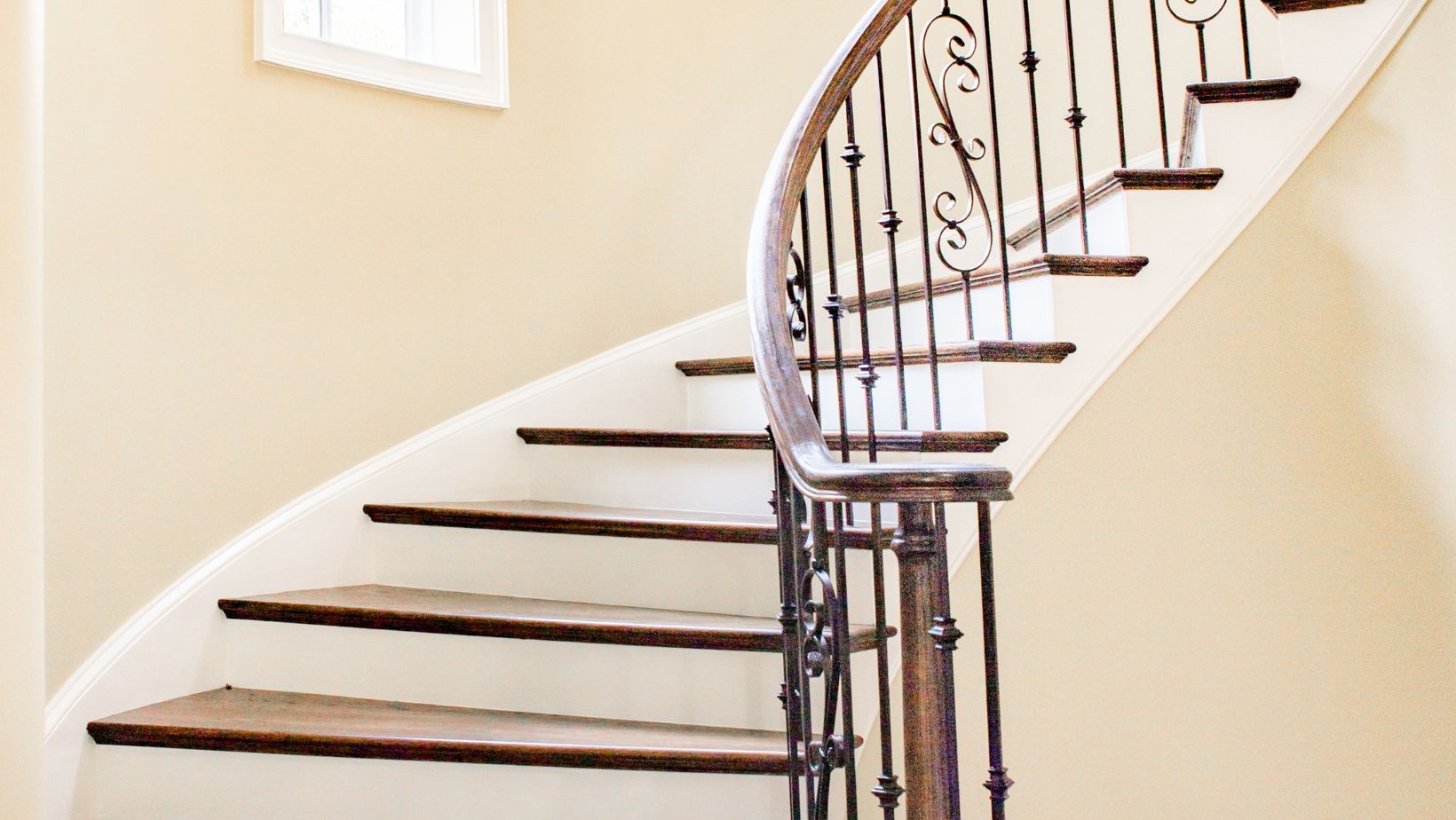
At Custom Iron, we don’t just build stairs—we build code-compliant solutions that integrate seamlessly into your project’s vision. Our in-house experts work directly with architects, builders, and end users to ensure every design satisfies both aesthetic goals and regulatory requirements.
What Sets a Trusted Supplier Apart:
- Pre-engineered models that comply with both IRC and IBC
- Fully custom designs with engineer-stamped drawings upon request
- Guidance on local code adaptations based on your project’s ZIP code
- Responsive support from design to final inspection
The right spiral staircase supplier will never leave you guessing about what’s compliant and what’s not.
Custom Fabrication Doesn’t Mean Complicated
One myth in the industry is that custom staircases always lead to complicated code reviews. In reality, a well-executed custom design—when built by an experienced spiral staircase supplier—can pass permitting with less friction than off-the-shelf kits.
At Custom Iron, we use advanced modeling software, experienced fabricators, and collaborative project workflows to create stunning spiral staircases that exceed expectations and meet every code line item.
Trust Custom Iron as Your Spiral Staircase Supplier
With decades of experience in custom metalwork and staircase fabrication, Custom Iron is proud to be a go-to spiral staircase supplier for projects where compliance and craftsmanship matter equally. Whether you need a modern powder-coated spiral for an urban loft or a classic wrought iron design for a historic restoration, we deliver artistry with accountability.
Reach out to Custom Iron today to learn how we simplify code compliance while bringing your spiral staircase vision to life—with no compromises.